Skip to content
Our Tech Ideas

Great minds discuss ideas!

SQL Server Database Stuck in Recovery Pending After VM Reboot – A Real-World Root Cause and Fix

Recently, one of our production clients approached us with a critical SQL Server issue. After an unexpected virtual machine reboot, one of their production databases failed to come online and was stuck in RECOVERY_PENDING state. Despite multiple restart attempts and standard recovery steps, the database refused to come online. What followed was a systematic investigation […]

Read more SQL Server Database Stuck in Recovery Pending After VM Reboot – A Real-World Root Cause and Fix

Automating SQL Server Index Maintenance Using Dynamic T‑SQL

Index fragmentation is one of the most common performance bottlenecks in SQL Server environments. As data grows and workloads increase, regular index maintenance becomes essential to ensure optimal query performance, minimize I/O overhead, and keep execution plans efficient. In this blog, we’ll walk through a dynamic T‑SQL script that automatically identifies fragmented indexes and rebuilds […]

Read more Automating SQL Server Index Maintenance Using Dynamic T‑SQL

How to Find Private Database Mail Profiles Associated with Logins in SQL Server

Database Mail is a core feature in SQL Server used for sending alerts, job notifications, and custom messages. While many DBAs configure a public Database Mail profile for general use, there are scenarios where private profiles are assigned to specific SQL logins or users in msdb. These private profiles are often part of compliance requirements, […]

Read more How to Find Private Database Mail Profiles Associated with Logins in SQL Server

How to Enable FILESTREAM in SQL Server Using T‑SQL (The Complete Guide)

Managing large unstructured data—documents, images, videos, binaries—inside SQL Server has always been a challenge. Traditional VARBINARY(MAX) storage works, but quickly becomes inefficient as file sizes grow. That’s where FILESTREAM comes in. FILESTREAM allows SQL Server to store unstructured files directly in the NTFS file system while maintaining full transactional consistency, indexing, and security through the […]

Read more How to Enable FILESTREAM in SQL Server Using T‑SQL (The Complete Guide)

Exploring SQL Server Database User Information with a T-SQL Query

As a database administrator, understanding who has access to your SQL Server databases—and what level of access they have—is vital for ensuring data security and compliance. SQL Server offers multiple system views to help you explore this information, but often, you need to combine them effectively to get a clear picture. In this article, we’ll break down […]

Read more Exploring SQL Server Database User Information with a T-SQL Query

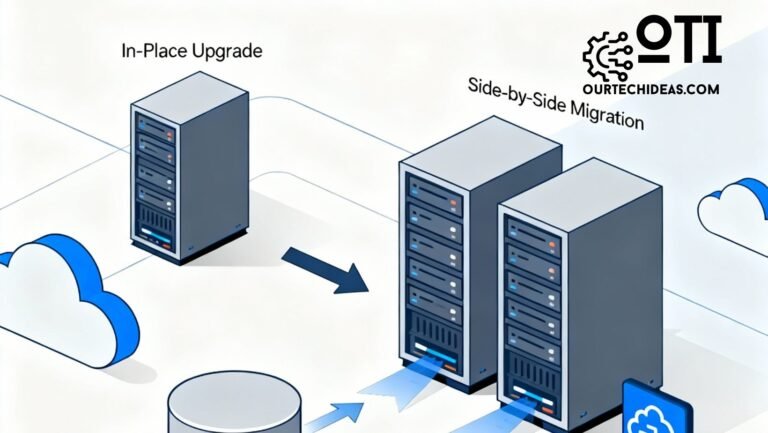
In-Place Upgradation vs Side-by-Side Migration in SQL Server

In-Place Upgradation vs Side-by-Side Migration in SQL Server Upgrading SQL Server is a critical process for organizations that need better performance, security, and modern features. Two main approaches are commonly used: In-Place Upgradation and Side-by-Side Migration. Understanding the differences, challenges, and best practices is essential for avoiding downtime and compatibility issues. In-Place Upgradation In-place upgradation […]

Read more In-Place Upgradation vs Side-by-Side Migration in SQL Server

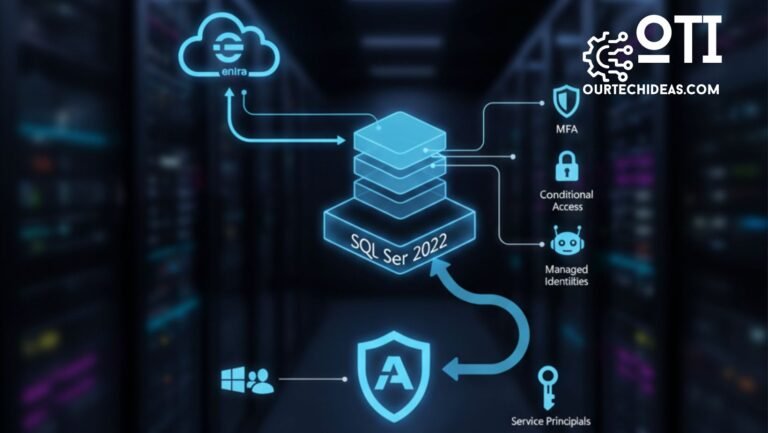
Microsoft Entra ID Authentication in SQL Server

Introduction With the advancement of cloud-native technology and hybrid workloads, secure database access has become more important—and more complex—than ever. Traditionally, SQL Server supported Windows authentication and SQL authentication for user management and access control. SQL Server 2022 ushers in a new era by introducing Microsoft Entra ID authentication (formerly Azure AD authentication), enabling organizations to unify […]

Read more Microsoft Entra ID Authentication in SQL Server

Everything was fine yesterday—now it’s super slow!

SQL Server DBA Troubleshooting Guide: Why Are Queries Suddenly Crawling? If you manage SQL Server databases, you’ve heard the panic:“Everything was fine yesterday—now it’s super slow!”Before you dive in, here’s a structured, stress-busting troubleshooting guide to help you identify and resolve the cause of poor performance. Step 1: Scope the Impact Is the issue affecting just one […]

Read more Everything was fine yesterday—now it’s super slow!